Elevate Every Dish: The Indispensable Simple French Vinaigrette
Imagine yourself transported to a charming Parisian café, the scent of freshly baked bread mingling with the subtle aroma of a perfectly dressed salad. At the heart of this quintessential French culinary experience lies a secret weapon, one that’s anything but secret in French kitchens: the **simple French vinaigrette**. Far from a mere salad dressing, this vibrant, tangy emulsion is a fundamental building block of good cooking, a testament to how humble ingredients, when properly combined, can create something truly extraordinary. For any home cook aspiring to infuse their meals with a touch of elegance and unparalleled flavor, mastering this essential condiment is not just a skill – it's an indispensable art.The Unrivaled Versatility of a Simple French Vinaigrette
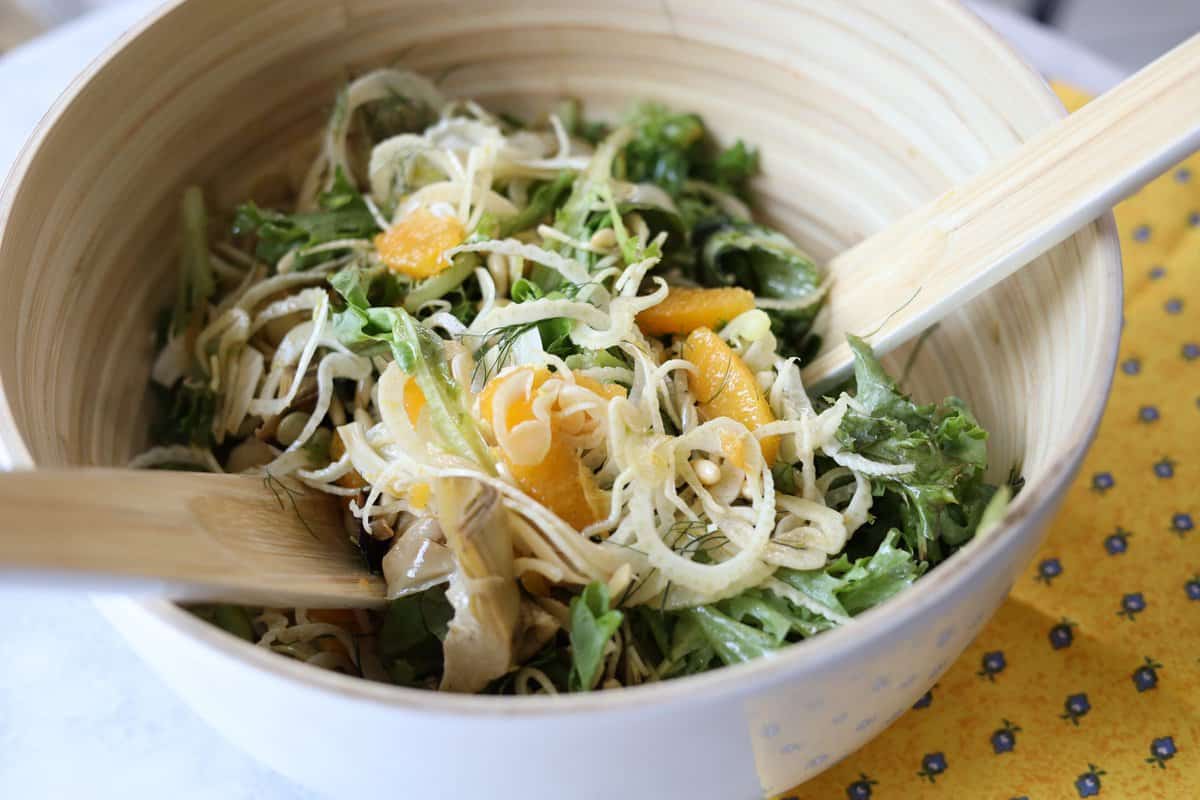
A classic French vinaigrette isn't just for a bowl of greens; it’s a culinary chameleon, ready to transform an astonishing array of dishes. Picture it as your culinary sidekick, effortlessly elevating everything from the simplest weeknight meal to a sophisticated dinner party offering. Its ability to complement rather than overpower makes it a go-to choice for almost any accompaniment. Consider the diverse roles it can play:- Classic Green Salads: The most obvious, yet most profound application. A bed of crisp, tender greens tossed with a perfectly balanced **simple French vinaigrette** is a revelation – fresh, bright, and utterly satisfying.
- Roasted Vegetables: Drizzle over warm, roasted asparagus, bell peppers, or root vegetables to add a zesty brightness that cuts through their earthy sweetness. It brings an unexpected pop of flavor.
- Protein Enhancer: It's a fantastic accompaniment for various proteins. Imagine it alongside a delicate omelette, perfectly roasted chicken, or even rich beef bourguignon, providing a fresh contrast. It can even lend a sophisticated touch to more casual fare like grilled burgers or a slice of pizza.
- Marinade Maestro: Its acidic components tenderize and infuse flavor, making it an excellent marinade for chicken, fish, or firm tofu. Let your ingredients soak in its zesty goodness before grilling or baking.
- Grain Bowls and Pasta Salads: Forget heavy, creamy dressings. A light, tangy vinaigrette breathes life into grain bowls, pasta salads, and even cold meat platters, tying all the ingredients together with a harmonious blend of flavors.
- Raw Vegetables and Appetizers: A simple platter of crudités or blanched green beans becomes instantly more appealing with a generous pour of this vibrant dressing.
Crafting Excellence: The Crucial Role of Quality Ingredients
While the term "simple" might imply minimal effort, the secret to an outstanding **simple French vinaigrette** lies not just in the technique, but profoundly in the quality of its components. This isn't a place to cut corners; as any seasoned chef will tell you, excellent ingredients are the foundation of excellent food.Extra Virgin Olive Oil: The Heart of Your Vinaigrette
The star player in any vinaigrette is undoubtedly the olive oil. Specifically, a good quality extra virgin olive oil (EVOO) is non-negotiable. It forms the base, carrying and amplifying the flavors of the other ingredients.I’m no olive oil sommelier, but years of making countless batches of vinaigrette have taught me a critical lesson: if your oil isn't fresh or tastes off – be it old, rancid, or simply unpleasant – that flavor will dominate and spoil your entire dressing. It truly is that straightforward. Think of it like this: you wouldn't use stale coffee beans for your morning brew, so why compromise on the very ingredient that makes up the bulk of your dressing?
When selecting your EVOO, aim for a bottle that offers a good balance between quality and price, especially if you use it frequently for both cooking and dressing. You don't necessarily need the most expensive "finishing" oil, but avoid anything that tastes flat or bitter. Look for brands known for freshness and flavor. Some reliable choices often found on shelves include California Olive Ranch or trusted rotating selections from larger retailers that prioritize quality. Remember, unlike fine wine or certain Hollywood stars, olive oil does not improve with age. Fresher is always better. Keep an eye out for harvest dates if available, and don't hesitate to grab a bottle when your preferred brands are on sale.
To truly understand the impact of your oil choice, explore more about this vital ingredient: Unlock Flavor: How Fresh Olive Oil Transforms Your Vinaigrette.
The Tangy Soul: Vinegars, Mustard, and Herbs
Beyond the olive oil, other components contribute significantly to the characteristic vibrancy of a French vinaigrette:- Aged Red Wine Vinegar: This provides the essential tang and acidity. An aged red wine vinegar offers a depth of flavor that a younger, harsher vinegar simply can't match, creating a harmonious blend of sharp and smooth notes.
- Dijon Mustard: More than just flavor, Dijon mustard acts as a crucial emulsifier. It helps bind the oil and vinegar together, preventing separation and creating that smooth, creamy consistency without adding dairy. It also contributes a subtle, piquant sharpness that is quintessentially French.
- Salt and Freshly Ground Black Pepper: These are non-negotiable for seasoning. They awaken and balance all the other flavors.
- Fresh Herbs: While optional for a basic version, fresh herbs like finely chopped parsley, chives, tarragon, or even a hint of thyme can add an unexpected layer of brightness and aromatic complexity. They infuse the dressing with a lively, Mediterranean sunshine feel.
- A Touch of Sweetness (Optional): Some traditional recipes, particularly those from Central European influences as recounted by my mother’s German landlady, include a pinch of sugar to mellow the acidity. This is purely a matter of personal preference and can round out the flavors beautifully.
For a deeper dive into how each ingredient contributes to the magic, read: Craft the Perfect French Vinaigrette: Why Ingredients Matter.
Mastering the Art: Simple Steps to Your Signature Vinaigrette
The beauty of a **simple French vinaigrette** lies in its unpretentious preparation. Many experienced cooks, myself included, rarely measure precisely, instead relying on the intuitive "eyeball" method passed down through generations. However, for those starting out, a basic ratio provides a helpful guide. The classic French ratio is typically 1 part vinegar to 3 parts oil, but this can be adjusted to your taste preference – some prefer a tangier 1:2 ratio, while others like a milder 1:4. Here’s a simple guide to making your own:- Start with the Flavor Base: In a small bowl or jar, combine 1-2 teaspoons of Dijon mustard, a pinch of salt, and a few grinds of fresh black pepper.
- Add the Vinegar: Pour in 1-2 tablespoons of aged red wine vinegar. Whisk vigorously to combine the mustard and vinegar until smooth. This is where the magic begins, creating the foundation for your emulsion. If adding a pinch of sugar, dissolve it here.
- Slowly Emulsify with Oil: While continuously whisking (or shaking if using a jar), slowly drizzle in 3-6 tablespoons of good quality extra virgin olive oil. The steady, slow addition is key to creating a stable emulsion – watch as the mixture transforms from separate liquids into a creamy, cohesive dressing.
- Personalize and Taste: Once emulsified, taste the vinaigrette. Does it need more salt? More pepper? A bit more tang? A touch more oil to mellow it? This is your opportunity to adjust to your palate. Now is also the time to stir in any finely chopped fresh herbs, such as parsley or chives, if desired.
- Optional Twists: For an authentic old-world touch, similar to the delightful salads of my childhood, you can slice a thin ring of raw onion into the vinaigrette and let it macerate for 10-15 minutes before serving. This infuses a subtle, sweet onion flavor into the dressing, adding incredible depth. Alternatively, a minced garlic clove can provide a robust aroma.
Beyond the Salad Bowl: Creative Uses for Your Homemade Dressing
While its role in salads is legendary, don't limit your homemade **simple French vinaigrette** to just greens. Its bright, acidic profile makes it an incredibly versatile companion for myriad dishes:- Grilling Enthusiast's Friend: Brush it onto vegetables before grilling, or drizzle over freshly grilled chicken or fish for a burst of flavor.
- Roasted Vegetable Revitalizer: Toss with roasted potatoes, carrots, or Brussels sprouts straight out of the oven to add a finishing zing that elevates their natural sweetness.
- Flavorful Dip: Serve it alongside crusty bread as an appetizer dip.
- Punch up Sandwiches and Wraps: A light brush on your bread or tortilla can add a gourmet touch to everyday lunch items.
- Soup and Stew Brightener: A small spoonful swirled into a hearty lentil soup or a rich stew just before serving can cut through the richness and add a surprising lift.
