The Culinary Cornerstone: Unlocking the Magic of a Simple French Vinaigrette
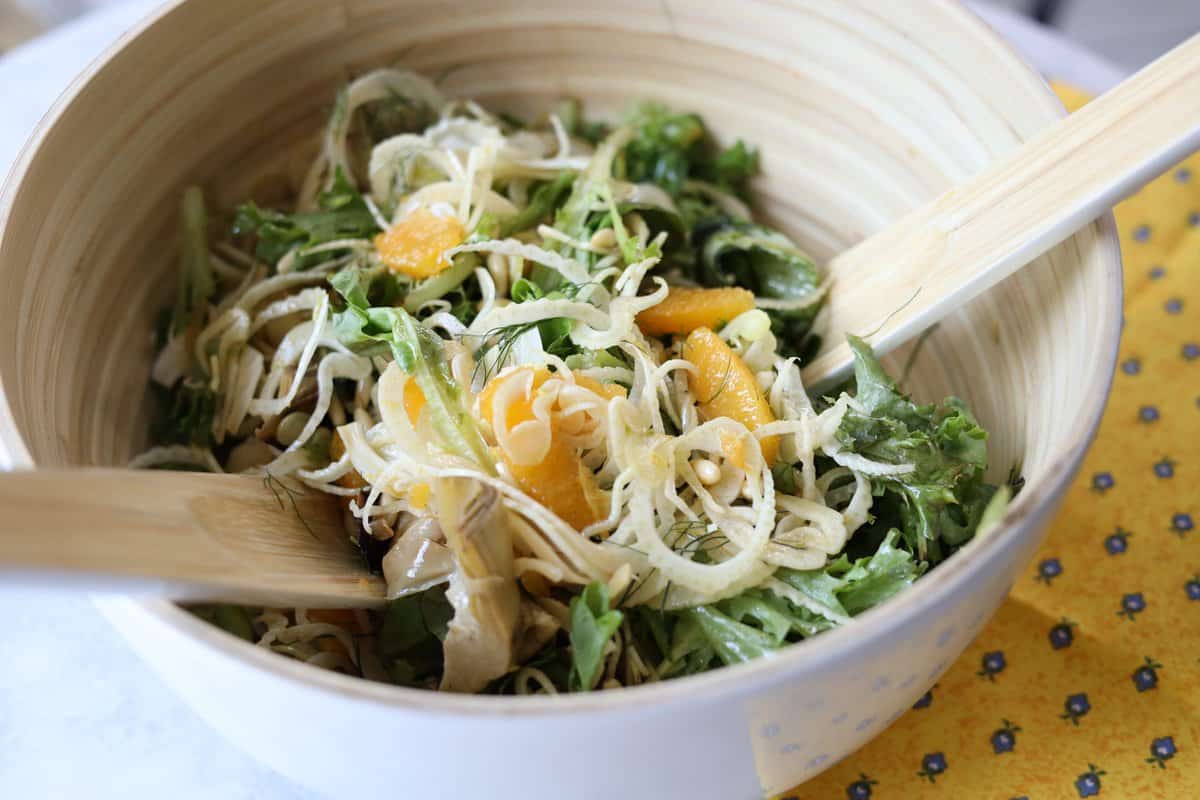
Imagine yourself at a charming Parisian café, a tiny table set on the sidewalk, the aroma of fresh baguettes and strong coffee filling the air. On the menu, a crisp green salad, dressed simply but exquisitely. This quintessential experience hinges on one foundational element: a perfectly crafted simple French vinaigrette. Far from a mere condiment, this versatile dressing is a testament to the power of quality ingredients and straightforward technique, transforming the ordinary into the sublime. While seemingly humble, its impact on a dish is profound, and understanding why its components truly matter is the key to culinary success.
The Unsung Hero of Every Meal: Why a Simple French Vinaigrette Belongs in Your Repertoire
A masterfully made vinaigrette is, quite simply, an indispensable tool in any home cook's arsenal. Its versatility knows no bounds, making it the ultimate go-to for countless culinary scenarios. Picture it elevating a bed of tender greens, providing that essential zest and brightness that cuts through richness. This classic French dressing pairs harmoniously with everything from a fluffy omelette or a succulent roasted chicken to the hearty depth of a beef bourguignon. But its utility extends far beyond traditional French fare; a vibrant vinaigrette can inject life into a juicy burger, offer a fresh counterpoint to a cheesy slice of pizza, or even serve as a light, tangy marinade for roasted vegetables or grilled meats.
The beauty of a homemade vinaigrette lies not just in its superior taste, but also in its purity. Many experienced cooks, much like those of generations past, instinctively shy away from store-bought salad dressings. Why? Because when you craft your own simple French vinaigrette, you control every ingredient, ensuring freshness, quality, and an absence of unnecessary additives. Learning this basic skill is not just about making salad dressing; it's about gaining culinary independence and bringing authentic, vibrant flavor to your table with minimal effort.
The Foundation: Why Your Olive Oil Choice is Non-Negotiable
If there's one ingredient that can single-handedly make or break your vinaigrette, it's the olive oil. This isn't merely a base; it's the very soul of your dressing. As any seasoned cook will attest, to achieve truly excellent food, you need excellent ingredients. And when it comes to a simple French vinaigrette, there are no shortcuts.
We're talking specifically about extra virgin olive oil (EVOO). Its fruity, sometimes peppery, and often subtly bitter notes are crucial to the complex flavor profile of a good vinaigrette. However, it's not enough for it to be extra virgin; it must be fresh. An old, oxidized, or rancid olive oil will impart an overwhelmingly unpleasant flavor that, no matter how good your other ingredients, will dominate and ruin your entire dressing. It's a fundamental truth: mediocre ingredients lead to mediocre dishes.
So, what should you look for? Unlike a fine wine, olive oil does not improve with age. Fresher is unequivocally better. When purchasing, consider your cooking habits. Many prefer a versatile EVOO that's good enough for both cooking and finishing – drizzling over dishes or, indeed, making vinaigrettes. This strikes a balance between quality and practicality, ensuring you always have a fresh, flavorful oil on hand. Keep an eye out for brands known for consistency and flavor profile; while specifics can vary by region and availability, reputable options often balance quality with a reasonable price point. Always store your olive oil in a cool, dark place, away from direct sunlight and heat, to preserve its freshness and flavor. For a deeper dive into selecting the perfect EVOO, explore our guide on Unlock Flavor: How Fresh Olive Oil Transforms Your Vinaigrette.
Beyond the Oil: Vinegar, Mustard, and the Supporting Cast
While olive oil lays the foundation, the other components of a simple French vinaigrette play equally vital roles in crafting its signature balance of sharp, smooth, and vibrant flavors.
- Vinegar: The Tangy Heart. Aged red wine vinegar is the classic choice, celebrated for its robust, yet balanced acidity that brings a beautiful tang. Its depth of flavor perfectly complements the richness of the olive oil. However, don't limit yourself. White wine vinegar offers a lighter, crisper acidity, while sherry vinegar provides a nutty, slightly sweet complexity. Champagne vinegar is delicate and bright, ideal for more subtle greens. As with olive oil, the quality of your vinegar matters; choose one you enjoy the taste of on its own.
- Dijon Mustard: The Emulsifier and Flavor Enhancer. This is not just for taste, though its sharp, tangy notes are undeniably crucial. Dijon mustard acts as a natural emulsifier, helping to bind the oil and vinegar together into a smooth, cohesive dressing that coats your greens beautifully. A good quality Dijon mustard is non-negotiable for achieving that harmonious blend of sharp and smooth notes.
- A Touch of Sweetness (Optional, but often transformative). A tiny pinch of sugar, a whisper of honey, or a drop of maple syrup can remarkably round out the flavors, balancing the acidity of the vinegar without making the dressing overtly sweet. This subtle addition often acts as a secret weapon, elevating the overall taste.
- Fresh Herbs: The Burst of Brightness. Finely chopped fresh herbs can inject an unexpected brightness and aromatic dimension. Classic choices include chives for a delicate oniony note, flat-leaf parsley for freshness, or tarragon for its distinctive anise-like flavor. These herbaceous additions evoke the Mediterranean sunshine, making each drizzle more vibrant.
- Aromatics and Seasoning. A minced shallot or a sliver of raw onion, allowed to macerate in the vinegar, can infuse a wonderful, subtle pungency into the dressing, echoing old-world techniques. Freshly ground black pepper and a good quality sea salt are critical for seasoning. Taste, taste, taste – and adjust until the flavors sing in harmony.
Crafting Your Signature Vinaigrette: Simple Steps for Masterful Results
Making your own simple French vinaigrette is an act of culinary intuition as much as it is a precise science. While there's a classic starting point, the true artistry lies in adjusting it to your palate.
The Golden Ratio (and why it's a guideline, not a rule): A traditional French vinaigrette often adheres to a 3:1 ratio of oil to vinegar. This is an excellent place to begin. However, your preference for tartness, the intensity of your vinegar, and the flavor of your olive oil will influence the perfect balance. Feel free to experiment – some prefer a 2:1 ratio for a tangier kick, while others might lean towards 4:1 for a mellower dressing.
The Method: Emulsification is Key.
- Start by combining your vinegar, Dijon mustard, salt, pepper, and any optional sugar or finely minced aromatics (like shallots or garlic) in a bowl. Whisk these together thoroughly. This initial mixture helps dissolve the salt and pepper and provides a flavorful base.
- Gradually drizzle in the olive oil while continuously whisking vigorously. The goal is to create an emulsion – a creamy, unified dressing where the oil and vinegar are suspended together rather than separated. If whisking isn't your forte, a jar with a tight-fitting lid works wonders: simply combine all ingredients and shake vigorously until emulsified.
- Once emulsified, stir in any fresh herbs.
The Indispensable Step: Taste and Adjust. This is where your personal touch comes in. Dip a piece of lettuce or a spoon into the vinaigrette and taste it. Does it need more salt to bring out the flavors? More pepper for a subtle kick? A touch more vinegar for brightness? Or perhaps a hint of sweetness to round out the sharp edges? Don't be afraid to tweak until it's perfect for your taste buds. While best enjoyed fresh, your homemade vinaigrette can be stored in an airtight container in the refrigerator for up to a week. It may separate, but a quick whisk or shake will bring it back together.
Embrace the Homemade Difference
Mastering the art of a simple French vinaigrette is more than just learning a recipe; it's about cultivating an invaluable culinary skill that elevates countless dishes. By understanding the critical role of quality ingredients – especially fresh, flavorful extra virgin olive oil – you unlock a world of vibrant, authentic taste that store-bought dressings simply cannot match. Ditch the pre-made bottles and embrace the rewarding simplicity of crafting your own. You'll find that this humble, homemade dressing quickly becomes a cherished staple, bringing a touch of Parisian elegance and unparalleled flavor to your everyday meals. For further inspiration on integrating this fundamental dressing into your everyday cooking, explore our article: Elevate Every Dish: The Indispensable Simple French Vinaigrette.
